 Free kit for narrators and producers
From manuscript to retail-ready audiobook.
An audio edition is editorial work before it is a render. This is the paperwork that keeps a long book consistent: the chapter plan, the casting worksheet, the pacing block, and the QC pass that catches what a waveform cannot.
We will email the download link plus three short follow-ups, and Studio Notes twice a week. One click unsubscribes from everything.

Four documents, one book you can defend.
Each one exists because of a specific way audiobooks go wrong: a chapter nobody re-listened to, a narrator chosen from a five second demo, a pace that crept up while editing, an export nobody played before upload.

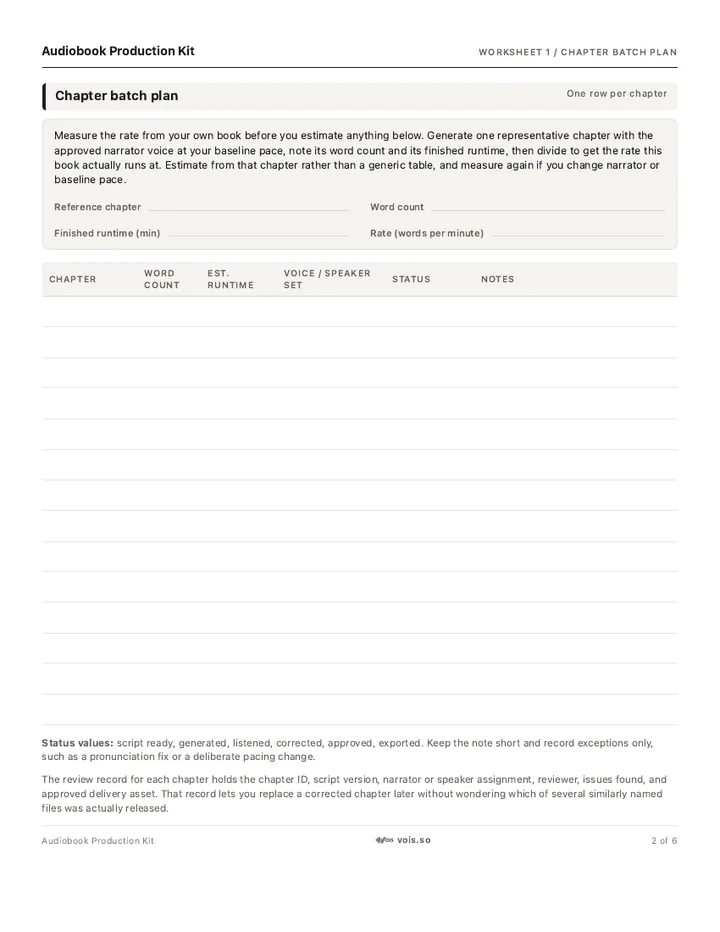
Chapter batch plan
Split the manuscript into reviewable units and work section by section. Every render stays a review candidate until a listener has checked it against the approved script, so a fix to chapter seven is an editorial task, not a rebuild of ten hours of audio.
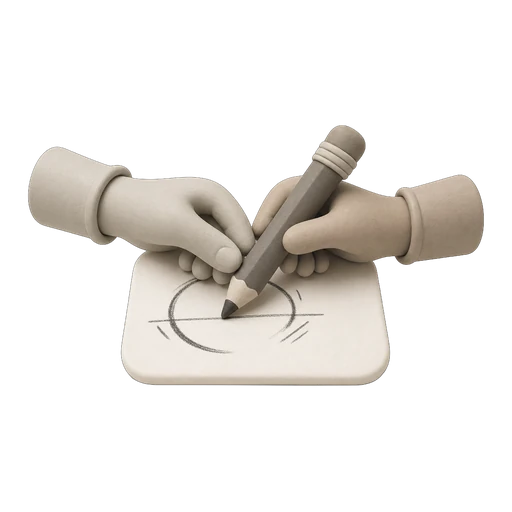
Character voice casting worksheet
One narrator who stays comfortable across a long passage, plus distinct voices only for the recurring characters whose identity matters to the listener. Includes the audition scorecard and the consent record fields for a cloned voice.
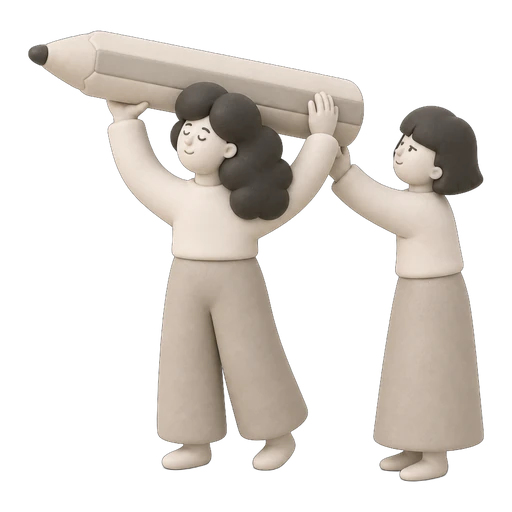
Narration pacing cheat block
Punctuation as direction, sentence length, where silence belongs, and how to hold one baseline pace across a whole book so chapter nine does not sound like it belongs to a different narrator.

QC checklist
The repeatable chapter approval pass, the transition check between one chapter and the next, and the delivery validation you run on the exported file rather than the timeline preview.
Five minutes is not representative. Three hours is.
The manuscript is the performance plan
A page can carry a long sentence, an unexplained abbreviation, or a visual break a listener never sees. Decide how dates, numbers, measurements, and uncommon names should be spoken. Write M.I.T. rather than MIT. Fix it in the source, before the problem is baked into several chapter exports.
Cast for hours, not for a demo
Audition against a 10 to 15 minute passage from the real manuscript, one that carries description, dialogue, names, and a change in emotional tone. Compare on headphones and in a car. The voice that does not fatigue you is the candidate, not the most dramatic one.
Review by chapter, always
Listen for missing words, repeated phrases, names, numbers, dialogue handoffs, and places where a pause changes the meaning. Keep a short record per chapter: script version, speaker assignment, reviewer, issues found, approved asset.
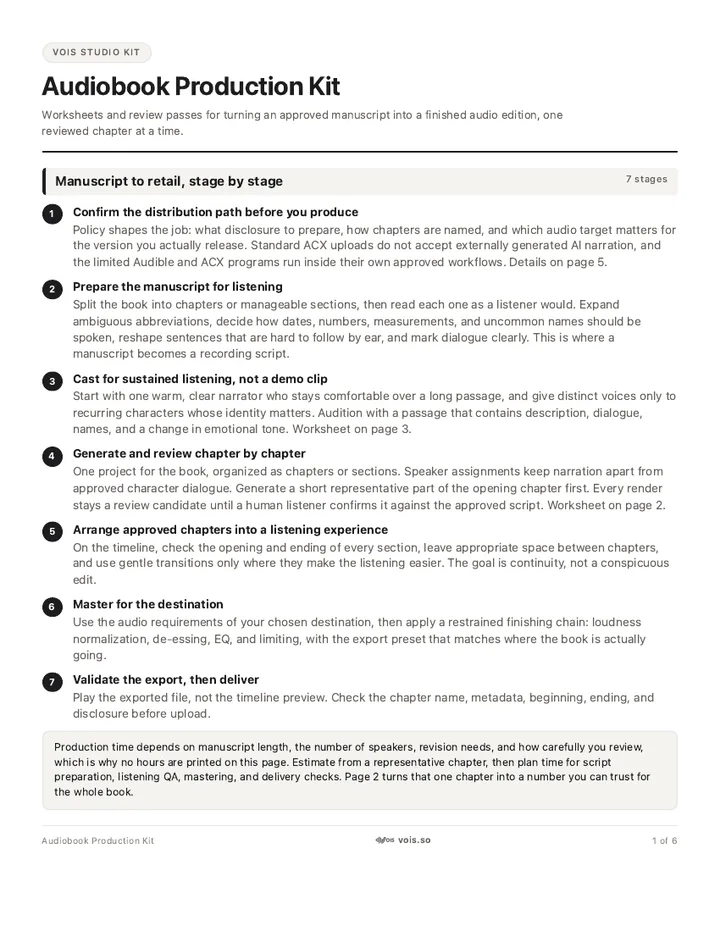
Check the distribution path before you produce
This is the part the kit puts first, because it is the part that causes rework. Standard ACX uploads do not accept externally generated AI narration, while ACX and Audible run limited programs inside their own approved workflows. Other destinations set their own disclosure and delivery rules. Confirming the pathway early tells you what disclosure to prepare, how each chapter should be named, and which audio target actually matters for the edition you will release.
ACX reference targets are -23 to -18 dB RMS, a maximum peak of -3 dB, and a noise floor of -60 dB or lower. Hitting them is a mastering job, not an eligibility argument. Vois handles that side locally with loudness normalization, de-essing, EQ, limiting, and export presets, then the kit asks you to play the exported file and check the chapter name, metadata, opening, ending, and disclosure before upload.
This is the actual kit.
Six pages, US Letter, print ready. The chapter batch plan, the character casting worksheet, the narration pacing cheat block, and the QC checklist, in production order.
Questions producers ask first

Get the kit.
Free. Produce one representative chapter with it and let that chapter set the standard for the rest of the book.
We will email the download link plus three short follow-ups, and Studio Notes twice a week. One click unsubscribes from everything.